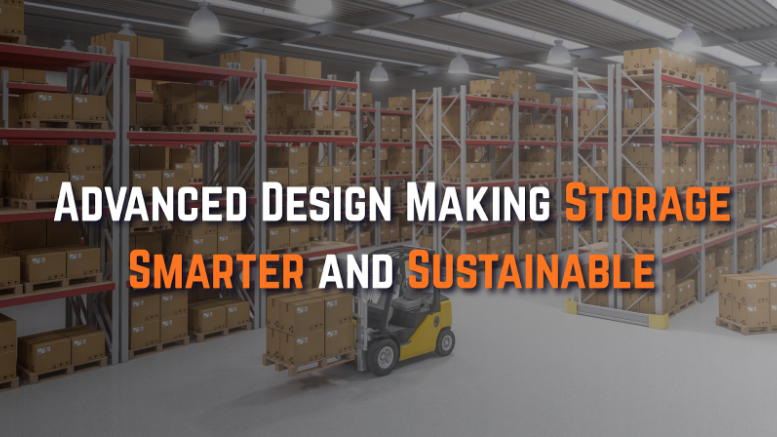

In the rapidly evolving industrial landscape of Dubai, warehouse construction plays a pivotal role in shaping the efficiency and competitiveness of modern businesses. With the emirate’s growing role as a global logistics hub, the demand for advanced warehousing solutions has surged dramatically. Companies now seek not just storage facilities but smart, sustainable, and highly functional infrastructures that support smooth operations and scalable growth.
Modern warehouses are no longer just large boxes for storing goods—they are strategically designed environments that integrate technology, space optimization, and energy efficiency. As Dubai continues to drive innovation across sectors, warehouse construction has emerged as a critical component of the city’s economic infrastructure, blending precision engineering with forward-thinking design.
The Evolution of Warehouse Design in Dubai
Over the past decade, Dubai’s logistics and industrial sectors have transformed significantly. The region’s strategic location between East and West has positioned it as a critical link in the global supply chain. Consequently, the demand for specialized warehouses has expanded—from temperature-controlled storage and distribution centers to e-commerce fulfillment hubs and automated logistics parks.
The shift toward digitization and smart technology has fundamentally changed warehouse design. Facilities today incorporate advanced automation systems, robotic handling, AI-based inventory tracking, and integrated energy management solutions. These innovations enhance productivity, minimize operational costs, and ensure real-time visibility of supply chain operations.
Architectural design has evolved too. With land optimization being a key factor, modern warehouses are designed with higher clear heights, multi-level storage systems, and efficient layouts that accommodate both human and robotic workflows. Sustainability is also becoming a defining element, as developers prioritize eco-friendly materials, solar energy systems, and water-efficient infrastructure to align with Dubai’s green building initiatives.
Engineering Excellence Through Smart Construction
Delivering efficient warehouse spaces requires a combination of structural expertise and adaptive construction techniques. In a city known for its architectural marvels, the same commitment to quality and innovation extends to industrial projects.
Smart construction practices have enabled faster, safer, and more cost-effective project delivery. Prefabrication, modular construction, and digital design modeling (BIM) are increasingly used to enhance precision and minimize on-site delays. By integrating these technologies, construction teams can anticipate challenges early and ensure that every component—from flooring to roofing—is built to withstand operational demands and environmental factors.
When it comes to long-term functionality, material selection is equally important. Warehouses must endure high loads, frequent machinery movement, and changing temperatures. Hence, durable materials like reinforced concrete, high-grade steel, and specialized coatings are used to extend lifespan and minimize maintenance.
Such efficiency and foresight are exactly what define the work of experienced warehouse contractors in dubai, who combine global construction standards with local knowledge. These professionals understand that each warehouse serves a unique purpose—be it cold storage, retail distribution, or manufacturing—and tailor design and construction solutions accordingly.
Technology at the Heart of Modern Warehousing
Technology integration lies at the core of Dubai’s new-generation warehouse construction. Automation, artificial intelligence, and IoT-enabled devices have revolutionized warehouse operations, offering greater control, accuracy, and safety.
Automated Storage and Retrieval Systems (AS/RS) enable optimized storage and retrieval of goods with minimal human intervention, increasing both speed and accuracy. Smart sensors track temperature, humidity, and air quality—ensuring optimal storage conditions for sensitive goods. Meanwhile, integrated management software allows facility operators to monitor inventory, manage workflows, and predict maintenance needs in real-time.
These advancements not only improve productivity but also help businesses reduce energy consumption and environmental impact. Dubai’s vision of smart logistics infrastructure aligns perfectly with these innovations, showcasing how technology-driven design can enhance both performance and sustainability.
Sustainability and Energy Efficiency in Warehousing
As Dubai continues to pursue its sustainability goals, eco-friendly practices are transforming the construction industry. Warehouses are now designed to be energy-efficient, using solar panels, LED lighting, and advanced ventilation systems that reduce energy waste.
Green building standards, such as LEED certification, are increasingly being applied to industrial projects. Sustainable construction materials, water recycling systems, and temperature-regulating insulation are now common features in new warehouse developments.
By prioritizing sustainability, developers not only contribute to environmental protection but also reduce long-term operational costs. Energy-efficient designs help businesses lower utility expenses while improving working conditions within warehouse facilities.
Strategic Planning for Long-Term Value
Successful warehouse projects go beyond construction—they require careful planning, scalability, and adaptability. As industries evolve, so do storage requirements. A well-planned warehouse anticipates future growth, offering flexibility for expansion, layout changes, or technology upgrades without major disruptions.
Strategic location selection is also a vital aspect. Dubai’s proximity to major ports, highways, and airports makes it an ideal destination for distribution and logistics centers. Efficient connectivity ensures that warehouses function as vital links in global trade networks, enhancing supply chain performance.
Developers and construction experts collaborate closely with clients to ensure that every warehouse design aligns with their operational goals and long-term vision. The result is a facility that doesn’t just serve current needs but supports growth and innovation for decades to come.
Conclusion: Building Tomorrow’s Warehousing Landscape
The evolution of warehouse construction in Dubai reflects the city’s broader commitment to innovation, quality, and progress. These industrial spaces are more than just storage facilities—they are critical infrastructures that fuel commerce, logistics, and global trade.
By integrating smart technologies, sustainable materials, and efficient designs, today’s warehouses embody the future of industrial excellence. They represent Dubai’s ability to merge architectural creativity with practical performance, supporting businesses as they adapt to new challenges and opportunities.
As the demand for advanced storage infrastructure grows, the role of experienced professionals becomes even more crucial. Partnering with trusted experts and industry leaders ensures that every warehouse stands as a benchmark of strength, precision, and efficiency.
In this evolving landscape, the expertise of a reliable dubai construction company makes all the difference—transforming ideas into durable, high-performing, and future-ready industrial spaces that drive business growth and regional competitiveness.