

An education teacher plays an important role in helping students develop knowledge, skills, confidence, and positive learning habits. Teachers do more than explain lessons or assign homework. They guide students through academic challenges, encourage curiosity, support personal development, and prepare learners for future educational and career opportunities.
As education continues to evolve, teachers are expected to combine subject knowledge with effective communication, classroom management, digital learning tools, and an understanding of different student needs. Whether working in a preschool, primary school, secondary school, college, or online learning environment, an effective teacher helps create a learning experience that is engaging, inclusive, and meaningful.
Understanding the responsibilities, qualifications, and career opportunities associated with teaching can help aspiring educators choose the right professional path.
What Is an Education Teacher?
An education teacher is a professional who helps students learn specific subjects, develop essential abilities, and achieve academic goals. Teachers may specialize in subjects such as mathematics, science, English, social studies, languages, computer science, or physical education.
They typically prepare lessons, explain concepts, assess student progress, and provide guidance when learners experience difficulties. Teachers also help establish a respectful classroom environment where students feel comfortable asking questions and participating in activities.
According to UNESCO, trained and supported teachers are essential to improving the quality of education and expanding learning opportunities. This makes teaching an important profession for individuals and communities alike.
Key Responsibilities of an Education Teacher
The responsibilities of a teacher depend on the institution, subject, and age group being taught. Common duties include:
- Preparing lesson plans and learning materials.
- Explaining concepts clearly using suitable teaching methods.
- Conducting classroom discussions and practical activities.
- Assigning homework, projects, and assessments.
- Evaluating student performance and providing feedback.
- Identifying learning difficulties and offering additional support.
- Maintaining classroom discipline and encouraging positive behavior.
- Communicating with parents, guardians, and colleagues.
- Using educational technology to improve learning.
- Participating in professional development and school activities.
These responsibilities help teachers create structured learning experiences while responding to students’ individual needs.
Why Education Teachers Are Important
Teachers influence how students understand the world, approach challenges, and develop lifelong learning habits. A good teacher can make difficult subjects easier to understand and help learners recognize their strengths.
1. Building Academic Knowledge
Teachers introduce students to important concepts, explain complex ideas, and help them apply what they learn. They also connect classroom lessons with practical examples so students can understand how knowledge is used outside school.
2. Developing Critical Thinking
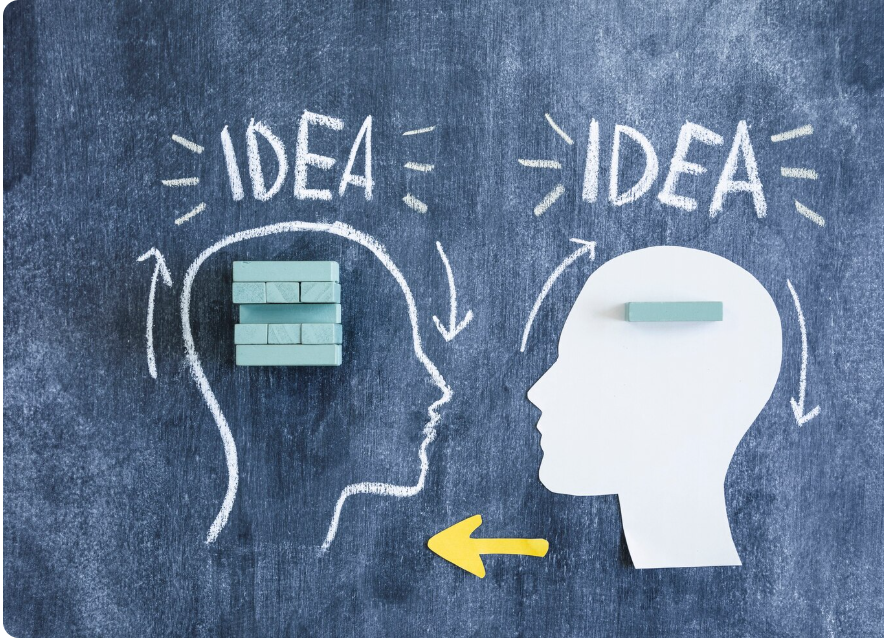
Effective teaching encourages students to ask questions, analyze information, solve problems, and consider different perspectives. These abilities are valuable in education, employment, and everyday life.
3. Supporting Personal Development
Students often need encouragement as they learn new skills and overcome mistakes. Teachers can help develop confidence, responsibility, teamwork, and communication skills through classroom activities and constructive feedback.
4. Creating Inclusive Learning Environments
Every student learns differently. Some may understand a concept quickly, while others may need additional explanations, visual materials, or more time to practice. Teachers can adapt their methods to make learning more accessible.
5. Preparing Students for the Future
Teachers help students develop the academic foundation and transferable skills needed for higher education, vocational training, and future employment.
Different Types of Education Teachers
Teaching careers offer several specializations. The right choice depends on an individual’s interests, qualifications, subject knowledge, and preferred student age group.
| Type of teacher | Main responsibilities | Typical work setting |
|---|---|---|
| Preschool teacher | Supports early development through play and structured activities | Preschools and early childhood centers |
| Primary school teacher | Teaches foundational literacy, mathematics, and other subjects | Elementary or primary schools |
| Secondary school teacher | Teaches specialized subjects to older students | Middle and high schools |
| Special education teacher | Adapts instruction for students with disabilities or additional learning needs | Schools and specialist learning centers |
| Subject teacher | Focuses on a particular subject, such as science or mathematics | Schools and tutoring centers |
| College lecturer or professor | Teaches advanced subjects and may conduct research | Colleges and universities |
| Online teacher | Delivers lessons through digital platforms | Online education providers and virtual classrooms |
The required qualifications vary by country, institution, and teaching level.
Essential Skills Every Education Teacher Should Develop
Subject knowledge is important, but successful teaching also depends on interpersonal skills, planning, and the ability to respond to students’ needs.
Communication Skills
Teachers need to explain ideas clearly, listen carefully, answer questions, and provide useful feedback. Strong communication also supports productive relationships with families and colleagues.
Classroom Management
A well-managed classroom provides structure without discouraging participation. Teachers establish expectations, organize activities, manage time, and address behavioral issues fairly.
Patience and Empathy
Students progress at different rates and may face personal or academic difficulties. Patience and empathy help teachers respond constructively while maintaining appropriate boundaries.
Organization and Planning
Lesson planning helps teachers identify learning objectives, choose resources, and organize activities. Good organization also supports accurate grading, attendance records, and progress monitoring.
Creativity and Adaptability
Teachers can use demonstrations, storytelling, group projects, educational games, and real-world examples to make lessons more engaging. Adaptability allows them to change their approach when students need additional support.
Digital Literacy
Educational technology can support online assignments, interactive presentations, virtual classrooms, and digital assessments. Teachers should understand how to use these tools effectively and responsibly.
Assessment and Feedback
Teachers need to recognize whether students understand the material. Quizzes, discussions, projects, written work, and observations can help identify strengths and areas that need improvement.
Qualifications Required to Become an Education Teacher

The qualifications required for a teaching career depend on the country, education level, subject, and employer.
In India, aspiring school teachers may pursue qualifications such as a Diploma in Elementary Education (D.El.Ed.), a Bachelor of Education (B.Ed.), or other approved teacher preparation pathways, depending on the position and applicable rules. Eligibility requirements must be checked against the latest regulations and the specific recruitment notice.
For many teaching positions in the United States, a bachelor’s degree and state-specific certification or licensure are common requirements. Some roles, especially in higher education, require postgraduate qualifications or specialized professional experience.
Common Steps to Enter the Teaching Profession
- Complete the required education: Earn the degree or diploma relevant to the intended teaching level.
- Choose a specialization: Select a subject, age group, or educational setting.
- Complete teacher training: Learn instructional methods, classroom management, assessment, and student development.
- Meet eligibility requirements: Check whether an examination, certification, registration, or license is required.
- Gain practical experience: Participate in supervised teaching, internships, or classroom practice where applicable.
- Apply for teaching positions: Prepare a résumé, relevant documents, and a professional portfolio.
In India, the Central Teacher Eligibility Test (CTET) is relevant to certain school teaching appointments, while state-level Teacher Eligibility Tests may apply to other positions. Passing an eligibility test does not automatically guarantee employment; candidates must also meet the applicable qualification and recruitment requirements.
For current information, candidates can consult the official CTET website and the National Council for Teacher Education.
Teaching Methods That Improve Student Learning
An effective education teacher chooses teaching methods based on the subject, learning objectives, available resources, and students’ needs.
Traditional Instruction
Direct instruction involves explaining concepts, demonstrating processes, and guiding students through examples. It can be useful when introducing new information or teaching structured procedures.
Activity-Based Learning
Hands-on tasks, experiments, role-playing, and practical demonstrations encourage students to participate actively rather than only listen.
Collaborative Learning
Group discussions and team projects help students practice communication, cooperation, and problem-solving. Teachers should provide clear instructions and ensure that all group members contribute.
Differentiated Instruction
Teachers can adapt materials, activities, or the amount of support provided to suit different learning needs. For example, one student may benefit from a diagram, while another may need a worked example or additional practice.
Technology-Enhanced Learning
Videos, digital quizzes, learning management systems, and interactive presentations can reinforce classroom instruction. Technology should support learning objectives rather than distract from them.
Formative Assessment
Short quizzes, exit tickets, oral questions, and classroom observations help teachers check understanding during a lesson. Teachers can use the results to decide what to explain again or what to teach next.
Challenges Faced by Education Teachers
Teaching can be rewarding, but it also involves professional challenges. Recognizing these challenges helps aspiring educators develop realistic expectations.
| Common challenge | Why it matters | Practical approach |
|---|---|---|
| Different learning abilities | Students may progress at different rates | Use varied explanations and additional practice |
| Classroom behavior | Disruptions can reduce learning time | Set clear expectations and apply rules consistently |
| Heavy workload | Planning, grading, and administrative duties take time | Prioritize tasks and use efficient assessment methods |
| Limited resources | Some classrooms lack books, equipment, or technology | Use available materials creatively and collaborate with colleagues |
| Student motivation | Some learners may struggle to remain engaged | Connect lessons with real-life examples and student interests |
| Technology changes | New tools require ongoing learning | Attend training and evaluate tools before classroom use |
Professional support, realistic planning, and collaboration can help teachers manage these difficulties.
Career Opportunities and Professional Growth
A teaching qualification can lead to several career paths, depending on experience, specialization, and further study.
Possible opportunities include:
- Preschool or primary school teacher.
- Secondary school subject teacher.
- Special education teacher.
- Private tutor or online educator.
- Curriculum developer.
- Instructional designer.
- Academic coordinator.
- Teacher trainer or education consultant.
- School administrator or principal, subject to required qualifications and experience.
Teachers can strengthen their careers by participating in workshops, earning additional qualifications, learning new technologies, and developing expertise in assessment or inclusive education.
Professional development is particularly important because curriculum expectations, educational research, and classroom tools continue to change. India’s National Council for Teacher Education also publishes guidance through the National Professional Standards for Teachers initiative, which outlines expectations for teacher competencies and professional growth.
How to Become a More Effective Education Teacher

Improving teaching is an ongoing process. Educators can strengthen their practice through small, consistent changes.
Set clear learning objectives. Explain what students should understand or be able to do by the end of a lesson.
Make lessons interactive. Include questions, short activities, demonstrations, and opportunities for students to explain their thinking.
Provide constructive feedback. Tell students what they did well, what needs improvement, and how they can make progress.
Monitor learning regularly. Use assessments and classroom observations to identify misconceptions before moving to more advanced material.
Build respectful relationships. Treat students fairly, listen to their concerns, and create an environment where questions and mistakes are part of learning.
Reflect on teaching methods. Review which activities worked, where students struggled, and what could be changed for the next lesson.
Continue professional learning. Read educational resources, attend training, and exchange ideas with other educators.
Key Takeaways
- Education teachers help students develop academic knowledge, practical abilities, and confidence.
- Teaching responsibilities include lesson planning, instruction, assessment, classroom management, and student support.
- Preschool, primary, secondary, special education, and higher education roles have different requirements.
- Qualifications and certification rules depend on the country, teaching level, and employer.
- Communication, patience, organization, adaptability, and digital literacy are valuable teaching skills.
- Professional development helps teachers improve classroom practice and explore new career opportunities.
Frequently Asked Questions
1. What does an education teacher do?
An education teacher plans lessons, teaches subjects, assesses student progress, manages classroom activities, and supports learners in achieving educational goals.
2. What qualifications are needed to become a teacher?
Requirements vary by country and position. Teachers may need a relevant degree, professional teacher training, certification, an eligibility examination, or a teaching license.
3. What skills are most important for an education teacher?
Important skills include communication, patience, subject knowledge, classroom management, organization, adaptability, problem-solving, and assessment.
4. Is teaching a good career choice?
Teaching can be a rewarding career for people who enjoy helping others learn. It offers opportunities to work with different age groups and subjects, although workload, classroom challenges, and qualification requirements should also be considered.
5. How can an education teacher improve student performance?
Teachers can improve learning by setting clear objectives, using engaging teaching methods, providing regular feedback, adapting instruction to students’ needs, and checking understanding throughout each lesson.
| Read more: Online Physical Education Degree: A Complete |