

Introduction
The Texas Education Code (TEC) is the collection of state laws that governs public education in Texas. It establishes the legal framework for school districts, charter schools, students, parents, teachers, administrators, and educational institutions supported by public funds.
The code covers many important areas, including compulsory school attendance, school funding, curriculum requirements, teacher certification, student discipline, special education, school safety, and parental rights.
Understanding the Texas Education Code can help parents learn about their children’s educational rights, teachers understand their professional responsibilities, and school administrators follow state requirements.
The Texas Education Code is established by the Texas Legislature and administered in large part through the Texas Education Agency (TEA).
This guide explains what the Texas Education Code is, its major chapters, important provisions, student and parent rights, and how to find the official laws.
What Is the Texas Education Code?
The Texas Education Code is a collection of statutes enacted by the Texas Legislature to regulate and guide education in the state.
It provides legal requirements for public education and establishes responsibilities for the state, school districts, educational institutions, and other participants in the education system.
The code addresses topics such as:
- Public school administration.
- School district governance.
- Student enrollment and attendance.
- Curriculum and academic standards.
- Teacher qualifications and certification.
- Student discipline and conduct.
- Special education services.
- School safety and security.
- Educational funding.
- Student and parent rights.
The Texas Education Code should be distinguished from the Texas Administrative Code. The Education Code contains statutes passed by the legislature, while the Texas Administrative Code contains rules adopted by state agencies and boards to implement applicable laws.
Who Is Responsible for the Texas Education Code?
Several state institutions and local education authorities have responsibilities under the Texas Education Code.
Texas Legislature
The Texas Legislature passes and amends education laws. It determines the statutory framework for public education in Texas.
Texas Education Agency
The Texas Education Agency administers and monitors many state and federal education programmes. It provides guidance, oversees compliance, and supports public school districts and charter schools.
State Board of Education
The State Board of Education has responsibilities that include adopting curriculum standards and overseeing certain statewide education policies.
Local School Districts
Independent school districts implement applicable state requirements through local policies, school procedures, and administrative decisions.
School boards and administrators are responsible for ensuring that their districts operate in accordance with applicable laws.
Structure of the Texas Education Code
The Texas Education Code is organised into titles, subtitles, chapters, subchapters, and individual sections.
Each part addresses a particular area of education law.
Some major areas include:
| Chapter | Subject |
|---|---|
| Chapter 1 | General Provisions |
| Chapter 7 | State Organization |
| Chapter 11 | School Districts |
| Chapter 12 | Charters |
| Chapter 21 | Educators |
| Chapter 25 | Admission, Transfer and Attendance |
| Chapter 26 | Parental Rights and Responsibilities |
| Chapter 28 | Courses of Study and Advancement |
| Chapter 29 | Educational Programs |
| Chapter 37 | Discipline and School Safety |
| Chapter 39 | Public School System Accountability |
This list highlights selected chapters rather than every provision in the code.
Important Texas Education Code Provisions
Several sections are especially important for students, parents, teachers, and school administrators.
1. Section 25.085: Compulsory School Attendance
Section 25.085 establishes compulsory school attendance requirements.
Generally, children who are at least six years old and have not reached their nineteenth birthday must attend school unless a statutory exemption applies.
The law also addresses attendance requirements for children enrolled in prekindergarten or kindergarten.
Parents and students should review the statutory exemptions and attendance rules rather than assuming that every absence is treated the same way.
2. Section 25.092: Minimum Attendance for Class Credit
Section 25.092 generally requires students in kindergarten through grade 12 to attend at least 90% of the days a class is offered to receive credit or a final grade.
Students who attend at least 75% but less than 90% may be eligible to receive credit or a final grade by completing a plan approved by the school principal that meets the instructional requirements.
The statute includes additional provisions and exceptions, so individual circumstances should be reviewed carefully.
3. Chapter 26: Parental Rights and Responsibilities
Chapter 26 addresses the rights and responsibilities of parents in relation to their children’s public education.
It includes provisions concerning access to student information, participation in educational decisions, and communication with schools.
Parents should consult the relevant section when seeking information about a specific educational right.
4. Chapter 21: Educators
Chapter 21 covers important legal matters relating to educators.
It includes provisions about:
- Teacher certification.
- Employment contracts.
- Educator qualifications.
- Professional responsibilities.
- Teacher appraisal.
- Employment-related rights and procedures.
Teachers and school administrators should review applicable sections when dealing with certification, employment, or professional conduct questions.
5. Chapter 29: Educational Programs
Chapter 29 covers educational programmes and services.
It includes provisions concerning special education, bilingual education, gifted and talented education, and other programmes designed to meet students’ educational needs.
For example, Section 29.001 addresses the implementation of special education law in Texas.
6. Chapter 37: Student Discipline and School Safety
Chapter 37 establishes requirements relating to student discipline and school safety.
It covers subjects such as:
- Student codes of conduct.
- Suspension and expulsion.
- Alternative education settings.
- School safety responsibilities.
- Certain disciplinary procedures.
Section 37.001 requires independent school districts to adopt a student code of conduct.
Students and parents should consult the applicable section and their district’s local student code of conduct when addressing a disciplinary issue.
Student Rights Under the Texas Education Code

The Texas Education Code establishes legal protections and requirements that affect students attending Texas public schools.
Important areas include:
Access to Public Education
Texas law establishes compulsory attendance requirements and rules governing student admission and enrollment.
School districts must follow applicable state and federal requirements when administering student enrollment.
Special Education Services
Students with qualifying disabilities may be entitled to special education and related services under federal and state law.
The Texas Education Code works alongside the federal Individuals with Disabilities Education Act (IDEA).
Student Discipline Procedures
School districts must follow applicable legal requirements when imposing disciplinary measures.
The details depend on the student’s conduct, the circumstances, the applicable statute, and local district policies.
Protection of Student Records
Student educational records are also governed by federal privacy law, particularly the Family Educational Rights and Privacy Act (FERPA), together with applicable state provisions.
Parents and eligible students should understand the procedures for accessing and correcting education records.
Parent Rights Under the Texas Education Code
Parents play an important role in their children’s education.
The Texas Education Code contains provisions that address parental involvement, access to information, and educational decision-making.
Parents may have rights concerning:
- Reviewing educational records.
- Receiving information about academic progress.
- Accessing applicable school policies.
- Participating in certain educational decisions.
- Communicating with teachers and school administrators.
- Reviewing information about student discipline.
- Understanding special education services.
Specific rights depend on the relevant statute, the student’s age and circumstances, and applicable federal law.
Parents should also review recent legislative changes because Texas education laws can change from one legislative session to another.
Texas Education Code and Special Education
Special education is an important part of the Texas public education system.
Chapter 29 includes provisions addressing special education programmes and services.
Texas schools must also comply with federal IDEA requirements.
These laws are intended to help eligible students with disabilities receive appropriate educational services.
Special education matters may involve:
- Individualized Education Programs (IEPs).
- Evaluations and eligibility.
- Specially designed instruction.
- Related services.
- Placement decisions.
- Parent participation.
- Procedural safeguards.
Parents who have questions about special education should review the relevant Texas Education Code provisions, IDEA requirements, and Texas Education Agency guidance.
Texas Education Code and Homeschooling
Texas homeschooling is treated differently from attendance at public schools.
Texas courts have recognised homeschooling as a form of private education when certain basic requirements are met.
The Texas Education Code also contains Section 1.010, which prohibits the Texas Education Agency and specified state education authorities from adopting rules or policies that regulate a homeschool educational programme.
Parents considering homeschooling should understand the legal requirements and maintain an educational programme that satisfies applicable Texas law.
How the Texas Education Code Affects Teachers
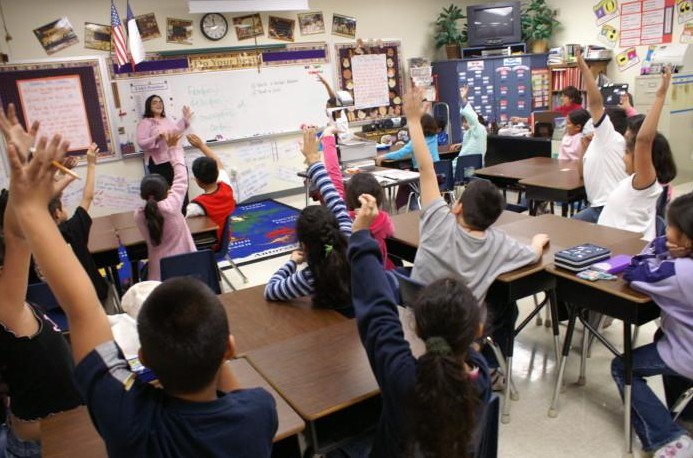
Teachers must follow applicable laws, state rules, and school district policies.
The Education Code can affect teachers in several ways.
Certification and Qualifications
Chapter 21 addresses educator certification and related professional requirements.
Employment and Contracts
The code contains provisions governing certain educator employment arrangements, contracts, and related procedures.
Professional Conduct
Teachers are expected to follow applicable professional standards and district policies.
Student Safety
Teachers and other school employees may have legal responsibilities relating to student safety, supervision, and reporting.
Curriculum and Instruction
Educators work within state curriculum requirements and local district policies.
Understanding the applicable provisions can help teachers perform their duties and respond appropriately to professional questions.
Texas Education Code vs. Texas Administrative Code
The Texas Education Code and Texas Administrative Code are closely related, but they serve different purposes.
| Texas Education Code | Texas Administrative Code |
|---|---|
| Contains statutes passed by the Texas Legislature | Contains administrative rules adopted by state agencies |
| Establishes statutory education requirements | Provides detailed implementation requirements |
| Organised into legislative chapters and sections | Organised by agency, title, part and chapter |
| Can be amended through legislation | Rules may be adopted or amended through agency rulemaking |
For example, the legislature may establish a statutory education requirement in the Texas Education Code, while the Texas Education Agency may adopt administrative rules explaining how that requirement is implemented.
Both sources may need to be reviewed when researching a particular education law.
How to Find the Texas Education Code Online
The official Texas Legislature website provides free access to the Texas Education Code.
Follow these steps:
- Visit the Texas Legislature’s official statutes website.
- Open the Texas Constitution and Statutes section.
- Select the Education Code.
- Search for a chapter, section number, or legal topic.
- Read the statutory text and any amendment information.
- Check the effective date of the relevant provision.
Official resources include:
- Texas Legislature: https://statutes.capitol.texas.gov/
- Texas Education Agency Laws and Rules: https://tea.texas.gov/laws-and-rules
When researching a legal issue, make sure the provision is current and check whether later legislation has amended it.
Recent Changes to the Texas Education Code
Texas education laws are regularly updated through legislative sessions.
The 89th Texas Legislature, including its 2025 regular and special sessions, enacted changes affecting several areas of education law.
For example, amendments to Chapter 1 effective September 1, 2025, added provisions addressing parental rights and restrictions on state regulation of homeschool programmes.
Other legislation may affect school funding, curriculum, educator requirements, student discipline, and school administration.
Because laws can change, students, parents, and educators should consult the current official statutory text rather than relying only on older articles or summaries.
Frequently Asked Questions About the Texas Education Code
1. What is the Texas Education Code?
The Texas Education Code is the collection of state laws governing public education in Texas. It covers school administration, student attendance, curriculum, teacher certification, special education, discipline, and other educational matters.
2. Where can I find the Texas Education Code?
You can find the official Texas Education Code on the Texas Legislature’s website at https://statutes.capitol.texas.gov/.
3. What does Chapter 25 of the Texas Education Code cover?
Chapter 25 covers student admission, transfer, enrollment, and school attendance requirements.
4. What does Chapter 37 cover?
Chapter 37 addresses student discipline, alternative education settings, school safety, and law-and-order provisions.
5. What is Section 25.085?
Section 25.085 establishes compulsory school attendance requirements for children in Texas, subject to statutory exemptions.
6. What is the 90% attendance rule in Texas?
Under Section 25.092, students generally must attend at least 90% of the days a class is offered to receive credit or a final grade. Certain students with attendance between 75% and 90% may qualify through an approved instructional plan.
7. Does the Texas Education Code apply to private schools?
The code primarily governs public education and educational institutions supported in whole or in part by state tax funds, subject to statutory provisions and exclusions. Private schools may also be subject to other state and federal laws.
8. Does the Texas Education Code regulate homeschooling?
Texas law recognises homeschooling under applicable legal principles. Section 1.010 specifically restricts certain state education authorities from adopting rules or policies regulating homeschool educational programmes.
9. Who enforces the Texas Education Code?
The Texas Education Agency administers and monitors many state education laws. Local school districts, the commissioner of education, and other authorities also have responsibilities under applicable provisions.
10. Is the Texas Education Code the same as the Texas Administrative Code?
No. The Education Code contains statutes enacted by the legislature, while the Administrative Code contains agency rules that help implement laws.
Conclusion
The Texas Education Code provides the legal foundation for public education in Texas. It establishes rules and responsibilities concerning school governance, student attendance, parental rights, educator requirements, special education, and student discipline.
Understanding the code can help parents protect their children’s educational interests, teachers understand professional requirements, and school administrators maintain legal compliance.
For accurate and up-to-date information, always consult the official Texas Legislature statutes website and Texas Education Agency resources. Since education laws can change, reviewing the current version of the relevant section is essential before making important educational or legal decisions.</WritingBlock}
Important SEO headings
- What Is the Texas Education Code?
- Who Is Responsible for the Texas Education Code?
- Structure of the Texas Education Code
- Important Texas Education Code Provisions
- Student Rights Under the Texas Education Code
- Parent Rights Under the Texas Education Code
- Texas Education Code and Special Education
- Texas Education Code and Homeschooling
- Texas Education Code vs. Texas Administrative Code
- How to Find the Texas Education Code Online
SEO Title: Texas Education Code: Laws, Rules, Student Rights and Requirements
Meta Description: Learn about the Texas Education Code, including important chapters, attendance laws, student and parent rights, special education, discipline, and official legal resources.
Primary Keyword: Texas Education Code
Related Keywords: Texas education laws, Texas Education Code online, Texas school laws, Texas compulsory attendance law, Texas student rights, Texas parent rights, Texas special education laws, Texas homeschool laws, Texas Education Agency.
Research Sources
- Texas Legislature – Official Texas Education Code <Cite refs={[“turn728678search4″,”turn728678search0”]}/>
- Texas Education Agency – Laws and Rules <Cite refs={[“turn728678search2”]}/>
- Texas Education Code Chapter 25 – Admission, Transfer and Attendance <Cite refs={[“turn728678search1″,”turn728678search11”]}/>
- Texas Education Code Chapter 29 – Educational Programs <Cite refs={[“turn728678search7”]}/>
- Texas Education Code Chapter 37 – Discipline and School Safety <Cite refs={[“turn728678search9”]}/>
- Texas Education Agency – Texas Education Code Overview <Cite refs={[“turn728678search3”]}/>
Editorial note: This article is an educational overview, not legal advice. Texas statutes can be amended, so verify the current wording and effective dates before publishing legal guidance or relying on a provision.