
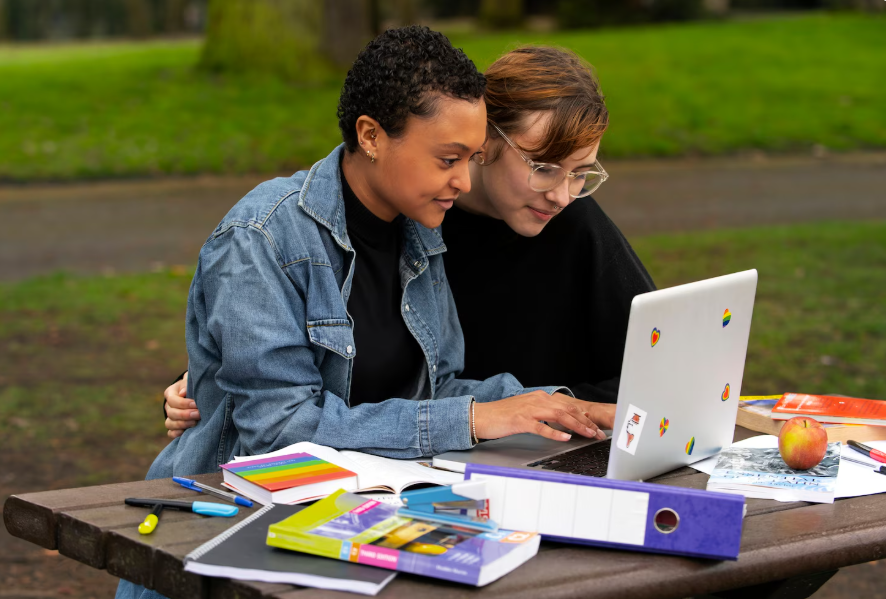
Parents today are searching for educational environments that offer more flexibility, stronger academic support, and a deeper focus on individual growth. In many communities, families are discovering that Lighthouse Learning Microschool provides a balanced learning experience where students receive personal attention and meaningful opportunities to thrive. Smaller class sizes, customized instruction, and a supportive atmosphere are helping children build confidence while enjoying the learning process each day.
Personalized Learning for Every Student
Traditional classrooms often struggle to meet the unique needs of every child. Some students need additional guidance while others are ready for more advanced challenges. A smaller educational setting allows teachers to recognize learning styles and adapt lessons accordingly. This personalized structure creates a stronger connection between students and educators.
Children who feel seen and supported are more likely to stay engaged in their studies. Teachers can monitor progress closely and provide immediate feedback that encourages academic improvement. Personalized education also helps students develop critical thinking skills, communication abilities, and greater independence in the classroom.
Building Confidence Through Smaller Class Sizes
One of the biggest advantages of smaller learning communities is the opportunity for students to actively participate in discussions and activities. In large classrooms, some children may hesitate to ask questions or share ideas. Smaller groups encourage open communication and stronger relationships among classmates.
Students often gain confidence when they feel comfortable speaking up and contributing to lessons. This supportive environment can help shy learners become more involved while allowing highly motivated students to explore topics more deeply. Teachers also have more time to guide individual growth and celebrate achievements.
Flexible Learning That Supports Families
Modern families appreciate educational programs that understand the demands of busy schedules and changing academic needs. Flexible learning models can provide a healthier balance between school, extracurricular activities, and family life. Some programs combine traditional instruction with hands on learning experiences, helping students stay motivated and curious.
This type of structure can also reduce stress for both students and parents. Children are given more opportunities to learn at their own pace while families remain involved in the educational journey. Strong communication between teachers and parents helps create consistency and support beyond the classroom.
Encouraging Creativity and Real World Skills
Education should prepare students not only for tests but also for future success in life. Smaller academic environments often place greater emphasis on creativity, collaboration, and problem solving. Students may participate in group projects, interactive discussions, and practical activities that connect lessons to everyday experiences.
Creative learning opportunities inspire students to think independently and approach challenges with confidence. They learn how to work effectively with others while developing leadership and communication skills. These experiences help children grow academically, socially, and emotionally.
A Supportive Community for Lifelong Learning
A strong educational community creates lasting benefits for students and families alike. When teachers, parents, and students work together, children feel more encouraged to reach their goals. Positive relationships inside the classroom often lead to improved academic performance and stronger emotional well being.
Families searching for a learning environment that prioritizes personal growth, flexibility, and meaningful education are increasingly exploring options that align with their values. As interest in alternative education continues to rise, many parents looking for a microschool near me are discovering how smaller learning communities can provide a nurturing and rewarding educational experience for their children.